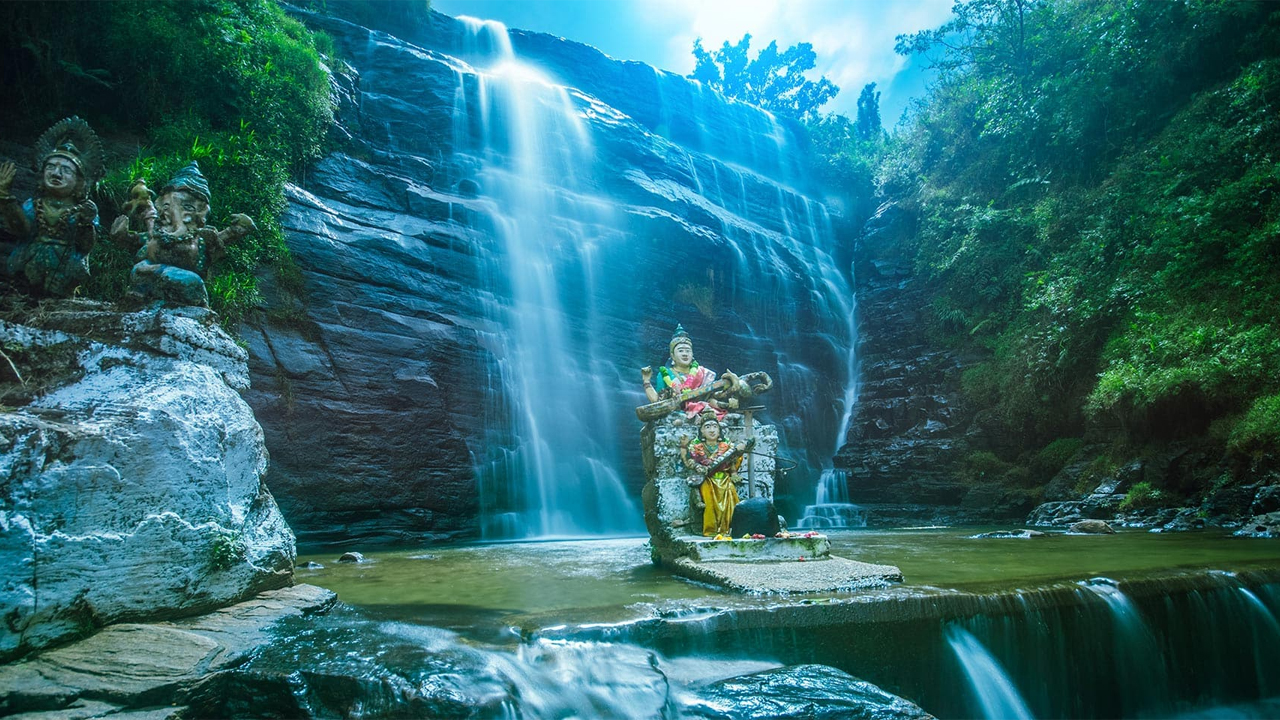
Sri Lanka, the teardrop-shaped island in the Indian Ocean, is a land of breathtaking natural beauty. From misty mountain trails and lush rainforests to cascading waterfalls and peaceful forest reserves, this tropical paradise offers some of the best nature trails and waterfalls in South Asia.
Whether you’re a seasoned trekker, a waterfall chaser, or someone simply seeking a refreshing escape from city life, Sri Lanka has it all. With over 100 registered waterfalls and dozens of scenic hiking routes across the island, the country offers incredible opportunities for eco-tourism, adventure travel, and nature photography.
In this comprehensive guide, we’ll take you through the top nature trails and waterfalls in Sri Lanka you must see, complete with travel tips, best seasons to visit, nearby attractions, and SEO-rich information for travelers, bloggers, and digital nomads alike.
🌿 Why Explore Nature Trails and Waterfalls in Sri Lanka?
Sri Lanka’s central highlands, tropical forests, and national parks are ideal for those who love the outdoors. The island’s rich biodiversity, abundant freshwater sources, and mountainous terrain make it a haven for hikers and nature lovers.
Key Reasons to Explore:
- Over 100 waterfalls, many within trekking distance
- Misty hill country trails ideal for hiking and photography
- UNESCO-listed natural sites like Horton Plains and Sinharaja
- Year-round accessibility with seasonal highlights
- Sustainable tourism and eco-lodges throughout rural areas
📌 Most Popular Nature Trails and Waterfalls in Sri Lanka
Horton Plains & Baker’s Falls (Nuwara Eliya)
Located in the central highlands, Horton Plains National Park is a UNESCO World Heritage Site and one of the most iconic hiking spots in Sri Lanka. The highlight of the trail is the famous World’s End cliff drop and the stunning Baker’s Falls.
Trail Information:
- Trail length: 9.5 km loop
- Difficulty: Moderate
- Entry Fee: Approx. LKR 3,000 (foreigners)
- Best Time to Visit: January to April
Highlights:
- Early morning views from World’s End (870m drop)
- Waterfall photography at Baker’s Falls
- Sightings of Sambar deer and endemic birds
Diyaluma Falls Hike (Badulla District)
Standing at 220 meters, Diyaluma Falls is Sri Lanka’s second-highest waterfall and one of the most photogenic, thanks to its natural rock pools on the upper level. A short hike takes you to the top, where you can swim and relax.
Trail Information:
- Trail length: ~1.5 km (from Poonagala side)
- Difficulty: Easy to moderate
- Entry Fee: Free (guided hikes recommended)
- Best Time to Visit: March to September
Highlights:
- Infinity pools with views over the valley
- Ideal for swimming and drone photography
- Accessible from Ella or Bandarawela
Ella Rock and Ravana Falls (Ella)
Ella, a favorite destination for backpackers and nature lovers, offers one of the best nature trails in Sri Lanka with panoramic views. After the Ella Rock hike, you can cool off at the nearby Ravana Falls.
Trail Information:
- Ella Rock: ~8 km round trip, 2–3 hours
- Ravana Falls: Located by the roadside (no hike required)
- Difficulty: Moderate
- Best Time: December to April
Highlights:
- 360° views from the summit of Ella Rock
- Waterfall access without a strenuous trek
- Nearby attractions: Little Adam’s Peak, Nine Arches Bridge
Bambarakanda Falls and Devil’s Staircase (Ohiya–Kalupahana)
Bambarakanda Falls is Sri Lanka’s tallest waterfall, reaching 263 meters. The trek via the Devil’s Staircase is a dramatic, winding trail through pine forests and tea estates.
Trail Information:
- Devil’s Staircase Trail: 18 km (full route)
- Difficulty: Challenging
- Entry Fee (for waterfall): LKR 250–500
- Best Time to Visit: February to May
Highlights:
- Stunning views from Sri Lanka’s highest points
- Hidden mini waterfalls en route
- Ideal for serious hikers and cyclists
Kirigalpoththa Trail (Horton Plains)
For more adventurous hikers, Kirigalpoththa, at 2,388 meters, is the second-highest mountain in Sri Lanka and offers a trail that winds through Horton Plains’ untouched cloud forests and grasslands.
Trail Information:
- Trail length: 7 km one way (14 km round trip)
- Difficulty: Strenuous
- Entry: Requires special permission
- Best Time: January to March
Highlights:
- Endemic wildlife and flora
- Panoramic views from the summit
- Challenging, less-traveled trail
Sinharaja Rainforest Trails (Sabaragamuwa Province)
The Sinharaja Rainforest, a UNESCO Biosphere Reserve, is a biodiversity hotspot. Guided nature trails range from short walks to day-long treks through dense jungle, waterfalls, and bird habitats.
Trail Information:
- Length: Varies (2–10 km)
- Difficulty: Easy to moderate
- Entry Fee: LKR 2,500+ (with guide)
- Best Time: January to March or July to September
Highlights:
- Rare birds, butterflies, and reptiles
- Kuda Ella and Doowili Ella waterfalls
- Educational eco-tours with naturalists
Meemure Village Trail and Seven Falls (Knuckles Mountain Range)
Located deep in the Knuckles Mountain Range, Meemure is a remote village surrounded by jungle, waterfalls, and challenging nature trails. The trek from Loolwatte to Meemure is especially rewarding.
Trail Information:
- Trail: 14–18 km
- Difficulty: Moderate to difficult
- Entry: Free (local guides recommended)
- Best Time: April to August
Highlights:
- Camping under the stars
- Visit to Seven Falls and Kalugala Gerandi Ella
- Rural village experience
Aberdeen Falls Trail (Ginigathhena)
Less visited but absolutely stunning, Aberdeen Falls is a 98-meter waterfall near Ginigathhena, surrounded by tea plantations and forests.
Trail Information:
- Length: ~1.5 km downhill
- Difficulty: Moderate
- Entry Fee: Free
- Best Time: June to September
Highlights:
- Quiet, uncrowded location
- Ideal for photography and picnicking
- Safe swimming area in dry season
🥾 Tips for Hiking and Waterfall Adventures in Sri Lanka
- Start Early: Beat the heat and avoid rain showers by starting your hike before 9 AM.
- Pack Essentials: Bring water, insect repellent, sunscreen, snacks, and a first-aid kit.
- Use a Guide: Especially in remote areas like Knuckles or Sinharaja.
- Dress Smart: Wear light, breathable clothing and sturdy shoes.
- Respect Nature: Don’t litter, don’t bathe in sacred or restricted waterfall areas, and avoid loud noise.
- Be Weather Aware: Always check weather forecasts — some trails become slippery and dangerous after rain.
📅 Best Seasons for Waterfalls and Hiking in Sri Lanka
| Region | Best Months | Notes |
|---|---|---|
| Central Highlands | January – April | Dry and clear skies, ideal for hiking |
| Southern Waterfalls | March – September | Lush greenery, moderate rainfall |
| Eastern Trails | April – August | Drier conditions, good for trekking |
| Sinharaja Forest | July – September | Avoid heavy monsoons |
📸 Most Instagrammable Waterfalls in Sri Lanka
- Diyaluma Falls – natural pools and cliff views
- Baker’s Falls – hidden in the misty Horton Plains
- Ravana Falls – roadside access, scenic in monsoon
- Laxapana Falls – powerful and dramatic, near Kitulgala
- Aberdeen Falls – serene and photogenic, less crowded
🌿 Eco-Friendly & Responsible Travel Tips
As nature tourism in Sri Lanka grows, it’s vital to protect these fragile environments:
- Stick to marked trails to avoid damaging flora.
- Don’t take anything from natural sites (no picking flowers or rocks).
- Support local communities by using local guides and staying in eco-lodges.
- Avoid plastic and carry reusable water bottles and containers.
- Leave No Trace – carry all waste out with you.
✅ Final Thoughts: Let Nature Inspire You
From the mystic cloud forests of Horton Plains to the powerful roar of Bambarakanda Falls, Sri Lanka’s nature trails and waterfalls offer a thrilling escape into the wild. These destinations provide a perfect mix of adventure, serenity, and discovery — ideal for both local explorers and international tourists.
Whether you’re chasing waterfalls or trekking through remote mountain villages, Sri Lanka welcomes you with unforgettable scenery and cultural richness at every turn.
So pack your backpack, grab your hiking boots, and let Sri Lanka’s natural wonders take your breath away!